1991–2020 normals · 2023 USDA zones
When can I plant?
Direct answer. A ZIP code returns the 2023 USDA Plant Hardiness Zone from the PRISM ZIP table and, when a station can be matched, frost-date probabilities from the nearest qualified NOAA 1991–2020 climate-normals station. A planting window is shown only when a state extension guide cited on the page gives one.
Data last verified October 10, 2026. The PRISM 2023 ZIP table, the NOAA 1991–2020 normals, and the cited extension guides were retrieved that day. How the files were joined.
Start with a ZIP

- 39,921 ZIP zones
- 6,241 qualified stations
- 998 cities with a nearby station
Pick a tool



What a result is
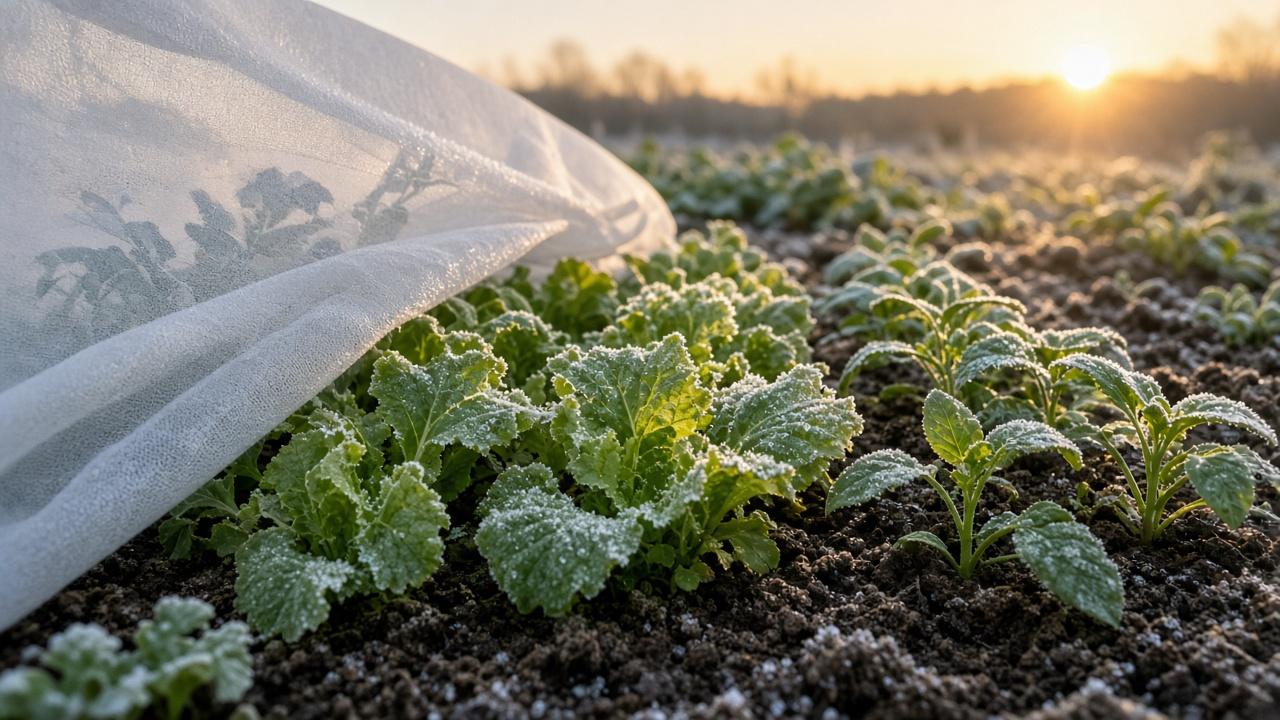
The zone is the 2023 USDA Plant Hardiness Zone for that ZIP: the average annual extreme minimum temperature, in 5°F half-zones. The frost dates are not a forecast. They are probabilities from the 1991–2020 U.S. Climate Normals. A 10% last-freeze date is the later date, the one with only a 10% chance the last 32°F is still to come on or after it.
The probability guide explains the 10%, 50%, and 90% columns. Methodology names the files and the station rules.
Guides
Questions
- What does a ZIP code lookup return?
- A ZIP lookup returns the 2023 USDA Plant Hardiness Zone from the PRISM ZIP table. When a center point exists, it also names the nearest qualified NOAA station and that station’s 1991–2020 frost-date probabilities. Planting windows appear only when the state has a cited extension guide. The zone is an average annual extreme minimum, not a sowing date.
- What does a 50% frost date mean?
- On a last-freeze row, the 50% date is the median: a 50% chance the last spring minimum of 32°F or lower occurs on or after that date. On a first-freeze row, it is a 50% chance the first autumn minimum occurs on or before that date. NOAA’s 1991–2020 normals define both directions. The 50% date is not a forecast.
- Where do the planting windows come from?
- A planting window is printed only when a state extension guide is cited on the page. If that guide counts weeks from a frost date and does not name 10%, 50%, or 90%, the weeks use the median 32°F date and the page says so. States without a cited guide still show the station’s frost dates.
- Are these dates a forecast?
- No. Frost dates are 1991–2020 climate normals for a named station. A warm or cold year can fall outside the 10% and 90% dates. The National Weather Service forecast is the document for a particular night. The zone is the average annual extreme minimum for a ZIP, not the low expected this winter. The disclaimer states that limit.